One of the Six Missing Pharaoh’s Sun Temples Is Found by Archaeologists in the Egyptian Desert
One of the Six Missing Pharaoh’s Sun Temples Is Found by Archaeologists in the Egyptian Desert
Archaeologists in Egypt have found proof that they are excavating a rare ancient sun temple, the third ever found and the first to be uncovered in 50 years.
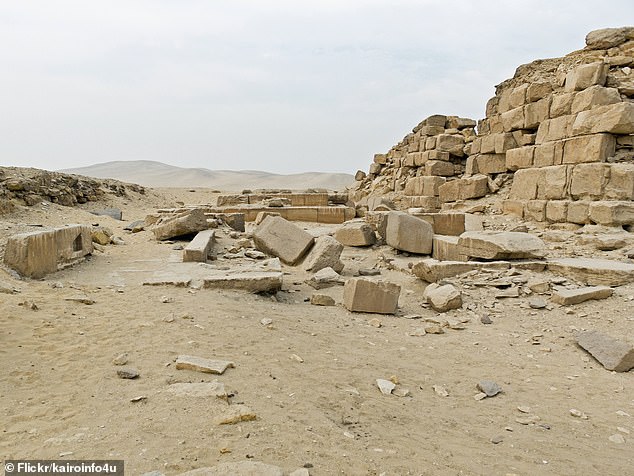
It is thought half a dozen sun temples were erected by the pharaohs of the fifth dynasty to complement their pyramids.
The vast pyramids were built by pharaohs to be their final resting places and to ensure they became a god in the afterlife.
Sun temples, however, took the deification desire one step further and were intended to make the pharaoh a god while still alive. But while experts believe six were built by different pharaohs, only two have ever been found by modern archaeologists.
Dr Massimiliano Nuzzolo, assistant professor of Egyptology at the Academy of Sciences in Warsaw, has spent his career trying to discover the others.
YOU MAY ALSO LIKE: ‘Hipster’ warrior was buried 1,500 years ago with a comb that may have been used to style his beard
“Each king wanted a pyramid for achieving his resurrection but this was not enough for the fifth dynasty kings,” he said.
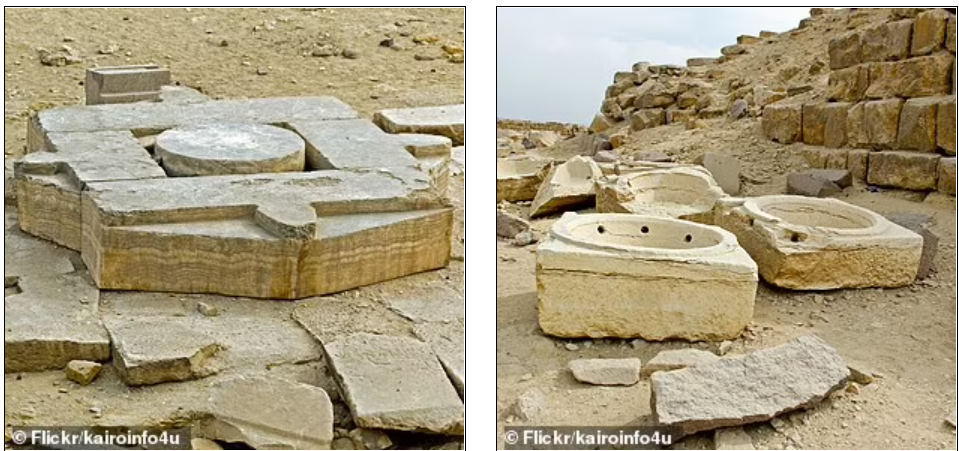
“They wanted something more. The king built [a sun temple] to turn himself into a god. The sun god.”
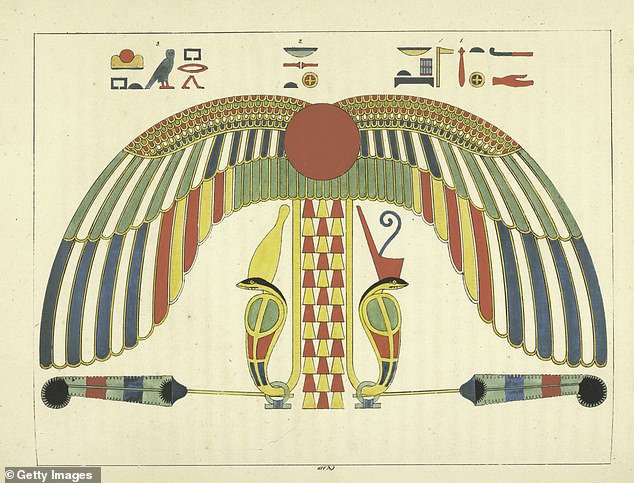
Ra, the sun god, was the most powerful god in ancient Egypt and the focal point of many elaborate rituals.
Each sun temple featured a large courtyard encompassing a tall, pyramid-like obelisk that aligned perfectly with the east-west axis of the sun.
This was designed so that on the summer solstice the sun rose and shone through the plaza entrance and basked the obelisk in light at the crack of dawn, with the sun setting at the exact opposite side of the temple.
Dr Nuzzolo focused on one of the already known sun temples, which was built in Abu Goab by the king Nyuserre, who ruled for about 30 years in the 25th century BC.
Careful digging underneath its shattered remains revealed an older base made of mud bricks, indicating that a building previously existed at the site.
However, Dr Nuzzolo and colleagues, including Dr Mohamed Osman, had no evidence of what this building was or if it was sacred.
The further painstaking removal of sand and rubble revealed the two-foot-deep base of a white limestone pillar, which means the building that was first built at the site was “quite impressive”, according to Dr Nuzzolo.
“We knew that there was something below the stone temple of Nyuserre, but we don’t know if it is just another building phase of the same temple or if it is a new temple,” he said.
“Actually, the fact that there is such a huge, monumental entrance would point to a new building. So, why not another sun temple, one of the missing sun temples?”
The next discovery, however, allowed the researchers to complete the jigsaw and be sure their find is a sun temple, the third one found and the first to be discovered in half a century.
A cache of beer jars filled with mud, a ritual offering reserved for the most sacred places, was discovered in the foundations, which was proof, the researchers say, that the old site was a temple.
When combined with the newly found architecture, the academics are convinced this proves their dig has unearthed one of the elusive temples.
“I have now many proofs that what we are excavating here is one of the lost sun temples,” said Dr Nuzzolo.
The builder and benefactor of the sun temple, however, remains unknown, but it is likely one of the mysterious fifth dynasty rulers.
Kings outdoing their predecessors
Sun temples were built only by a few pharaohs as the financial pinch of generations of pyramid-builders started to take its toll on the state’s coffers, with every king outdoing his predecessor.
Pharaoh Khufu was the last ruler to truly benefit from the reliable annual flooding of the Nile, which provided fertile soil and bountiful crop yields that meant tax income was plentiful.
However, post-Khufu, drought gripped much of Egypt, causing the state’s tax income to plummet and leaving later rulers financially handicapped compared to those who came before them.
YOU MAY ALSO LIKE: The 20-million-year-old fossil of a sea creature in the ancient city of Tyana may have been used as a means of payment
As a result, the later pyramids were a shadow of the previous versions, and sun temples were a cost-effective way to ensure the pharaohs kept their power and were still worshipped by the people despite growing hardships.
Lost Treasures of Egypt Season 3 premieres on National Geographic at 7pm on Sunday 14th November 2021.
12,000-year-old village discovered in Jordan Valley
2,000-year-old Punic tomb discovered during works in Zabbar
Inside an ancient Polish salt mine that has underground lakes, fully carved chapels, and chandeliers made of salt
About Author