
Egypt opens 4,500-year-old tomb of King Djoser following a 15-year restoration
Egypt opens 4,500-year-old tomb of King Djoser following a 15-year restoration
Egypt on Tuesday showcased an ancient tomb structure belonging to the cemetery complex of King Djoser, a pharaoh who lived more than 4,500 years ago, following extensive restorations of the site.
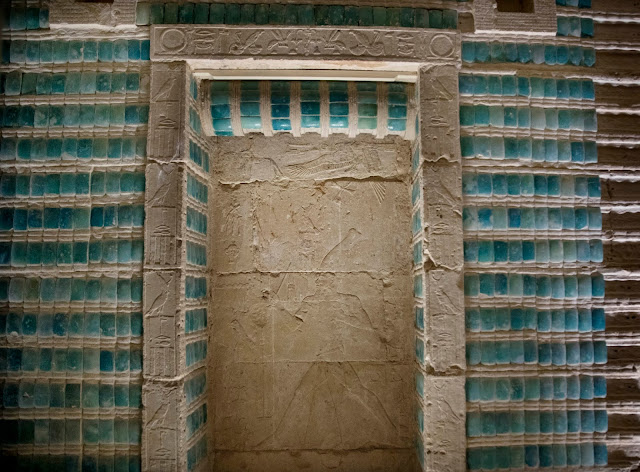
The structure — known as the Southern Tomb — is largely underground and includes a labyrinth of corridors, decorated with hieroglyphic carvings and tiles.
A central funeral shaft houses a massive granite-clad sarcophagus from Egypt’s Third Dynasty.
However, the pharaoh was not actually buried there but in the famed Step Pyramid nearby. The two structures make up part of the Saqqara complex near Cairo — one of the country’s richest archaeological sites.

The Step Pyramid is the oldest known pyramid and one of the first examples of monumental architecture from the ancient world, according to UNESCO. It is believed to have been the inspiration for the Pyramids at Giza.
YOU MAY ALSO LIKE: European Woman’s 35,000-Year-Old Genome Sequenced
Egypt’s Ministry of Antiquities and Tourism said the opening this week of the tomb structure marked the completion of restoration work that started in 2006 and included reinforcing of the underground corridors, refurbishing the carvings and the tiled walls, and installing lighting. As of Tuesday, the tomb opened to the public.
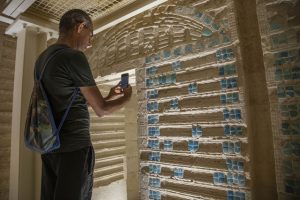
In addition to the Southern Tomb, the Saqqara plateau hosts at least 11 pyramids, including the Step Pyramid, as well as hundreds of tombs of ancient officials and other sites that range from the 1st Dynasty (2920 B.C.-2770 B.C.) to the Coptic period (395-642).
YOU MAY ALSO LIKE: Researchers sequenced the DNA 1,600-year-old sheep mummy from an ancient Iranian salt mine, Chehrabad
The Saqqara site is part of the necropolis of Egypt’s ancient capital of Memphis that includes the famed Giza Pyramids, as well as smaller pyramids at Abu Sir, Dahshur and Abu Ruwaysh. The ruins of Memphis have designated a UNESCO World Heritage site in 1970s.
Egypt has publicized a string of recent archaeological finds over the past year in an effort to revive its key tourism sector, which was badly hit by the turmoil that followed the 2011 uprising. The sector was also dealt a further blow by the global coronavirus pandemic.

Grizzly Discovery Of An Arrow Through The Eye Sheds Light On Horrific Injuries Caused By Medieval Arrows

Israeli Tour Guide on Camping Trip Discovers 1,700-Year-Old Coins

Biblical Village Cursed by Jesus Flooded by Rising Sea of Galilee
About Author
