
Excavation of Carlisle Roman bathhouse uncovers a connection between the site and a third-century Roman emperor
Excavation of Carlisle Roman bathhouse uncovers a connection between the site and a third-century Roman emperor
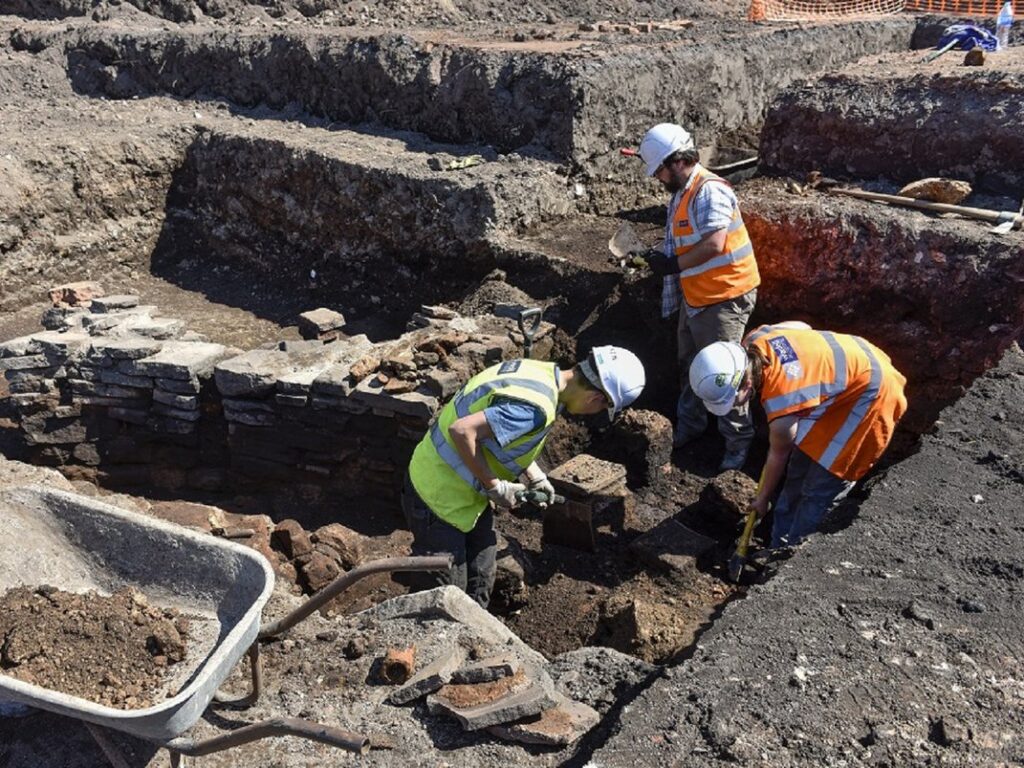
An archaeological survey at the Carlisle Cricket Club’s Edenside ground has discovered the remains of an extraordinarily important Roman bathhouse and dozens of artifacts.

Tiles with a Roman imperial stamp were uncovered by archaeologists and volunteers which indicate a link to Septimius Severus.
Lead archaeologist, Frank Giecco, said the “evidence is building up” of “something really special” in the area.
Other finds include Samian ware pottery and an iron signet ring.
YOU MAY ALSO LIKE: Egypt opens 4,500-year-old tomb of King Djoser following a 15-year restoration
“The Romans would quite often stamp their tiles. The legions would stamp tiles, the auxiliaries would stamp tiles; but this is the very top of the pile.
“This is the imperial court stamping the tile. There has been a handful found in Carlisle at random places.
We have probably got a dozen now from this site and it looks like this is where they are coming from.
“It’s not a legion or anyone else - this is the signature of the emperor. I can’t say that Septimius Severus ever set foot in Carlisle. Who knows.
All we can say is that we have got a huge, monumental building that has been built in Carlisle.
“The emperor was in Britain at that time, we’ve got an inscription from his wife in the building and we have got his personal workshop-stamped tiles coming from the building,” Mr Giecco added.

Dr Dot Boughton from Tullie House museum said the tilery effectively says they are “supplying tiles fit for the emperor” or “on the emperor’s demands”.
YOU MAY ALSO LIKE: Archaeologists Discover 2,550-Year-Old Carving of the Last King of Babylon
A substantial collection of these tiles, potentially a uniquely large amount for a site in England, have been discovered at the site, she added.
The Uncovering Roman Carlisle project, which is supported by a £99,000 National Lottery Heritage Fund, is an 18-month long programme exploring Carlisle’s Roman remains.

Brief length of the Yixian Formation and ‘Chinese language Dinosaur Pompeii’
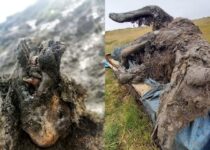
Ice Age Cave Bear Remains Have Been Found Perfectly Preserved in Arctic Russia

Amateur divers find an ‘incredible’ treasure trove of gold coins from the Roman Empire while cleaning up trash on the seabed
About Author
